+49 30 84 71 85 50

+49 30 84 71 85 50

In our laboratories, we have specifically established a range of standard analytical methods to address both internal and external research questions in the following areas:

  • Hydrogen sulfide removal in aerobic processes
  • Qualitative and quantitative analysis of industrial and municipal wastewater
  • Treatment of industrial and municipal wastewater through precipitation, flocculation, and adsorption
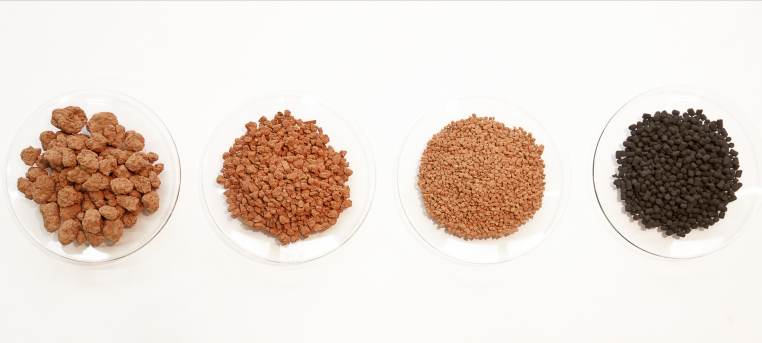
  • Selection and evaluation of various adsorbents and reagents

A selection of frequently asked questions can be found here:

  • What dissolved substances are present in my water/sludge sample?
  • Which treatment methods are suitable?
  • What level of treatment performance can I expect?
  • Does the reagent used comply with applicable regulations?

Contact us!

We would be happy to advise you on selecting suitable analytical methods.

Elemental analysis

Digestion & Titrations

Quantitative determination (e.g. iron content)
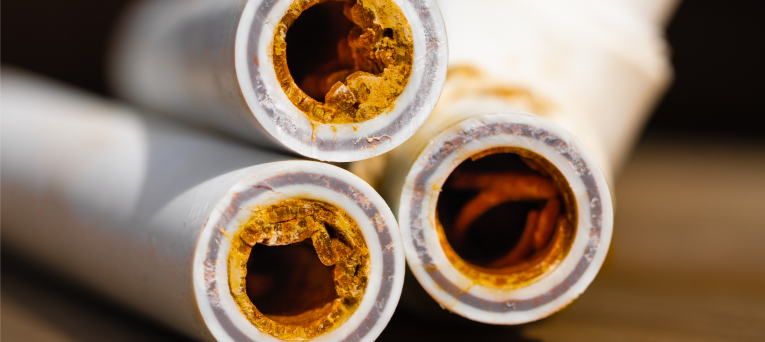
X-ray fluorescence analysis

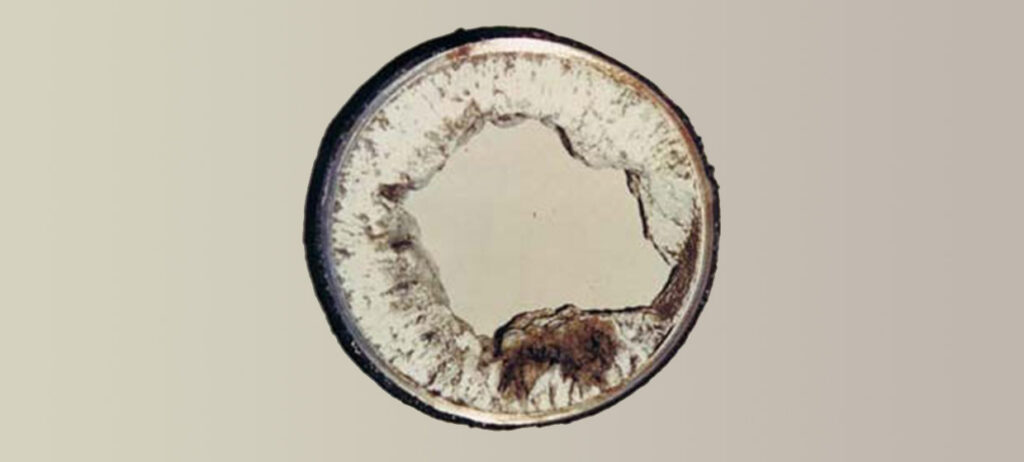
Semi-quantitative composition of mixtures (raw materials, incrustations)
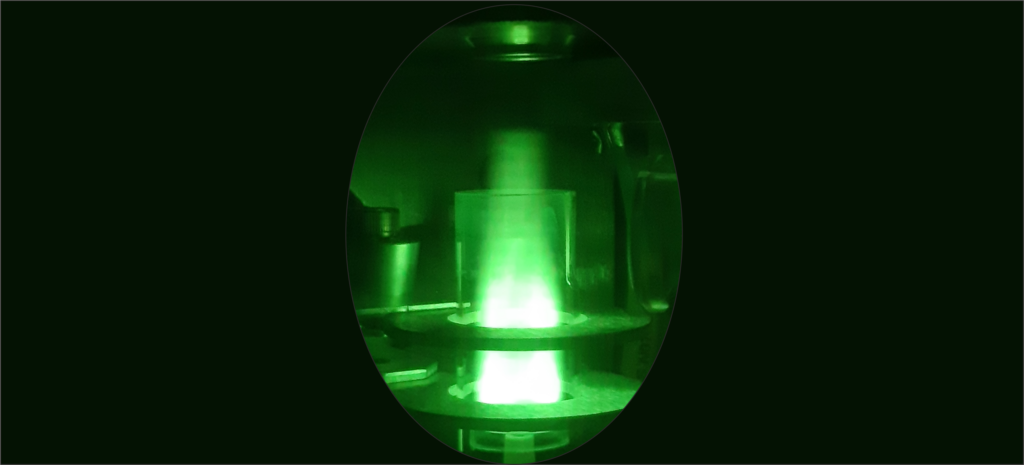
ICP-OES

Quantitative elemental composition (acid-soluble)
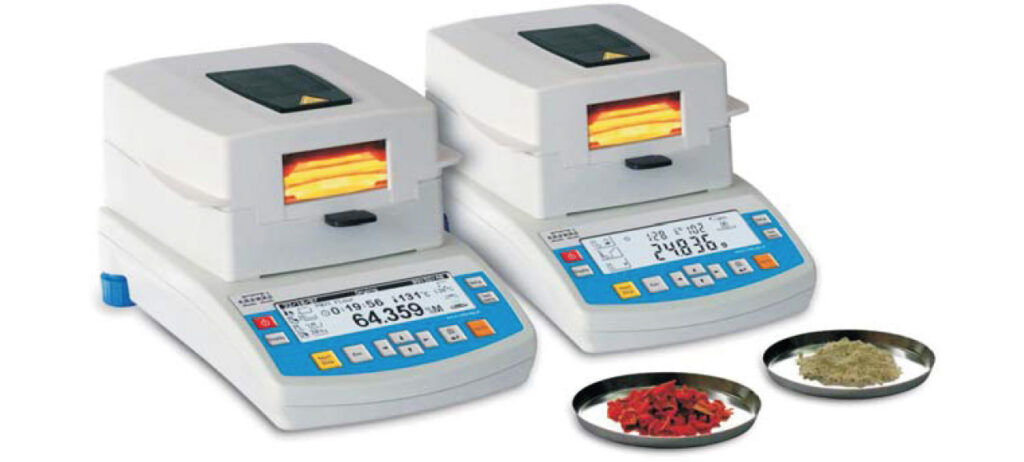
Physical parameters

Drying & weighing

Solids content

Specific surface according to BET

Specific surface area, pore volume, pore size distribution
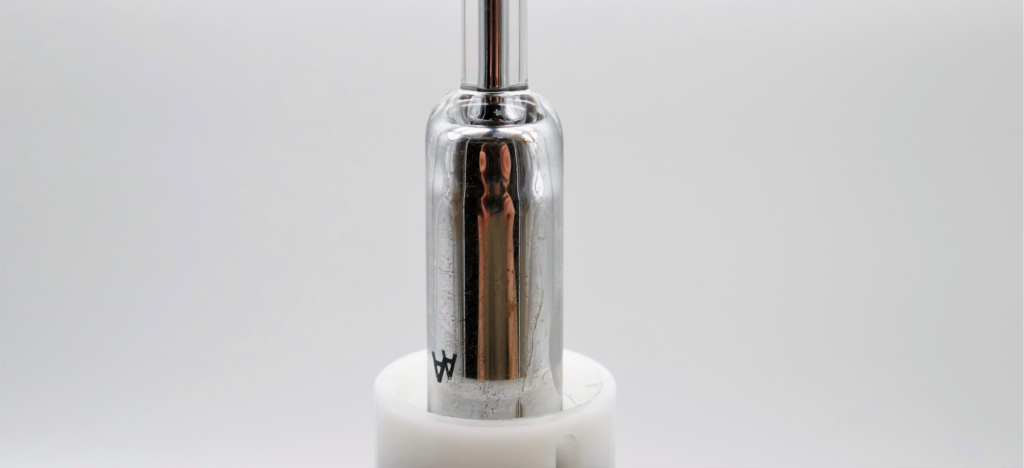
Mercury porosimetry

Porosity, pore volume, pore size distribution

Differential-Thermoanalyse DTA

Differential thermal analysis DTA

Density determinations

Bulk density, tapped density, density of liquids
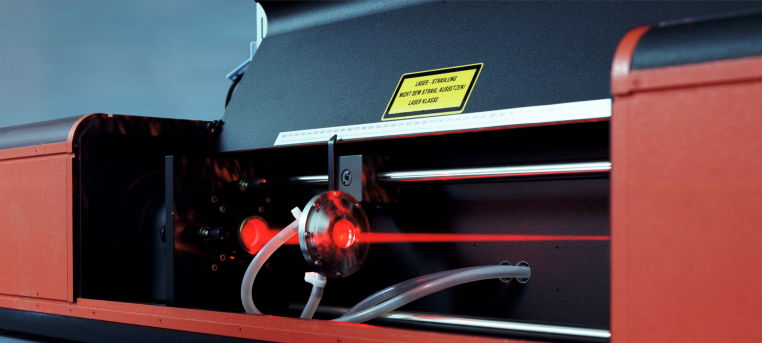
Laser diffraction

particle size determination (10 nm - 3.5mm)
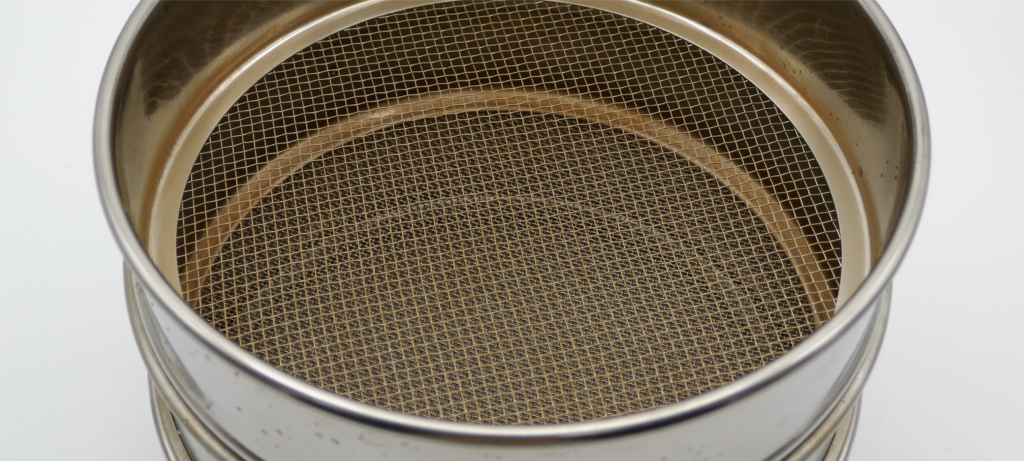
Screening

Grain size distribution (40 µm - 4.0 mm)
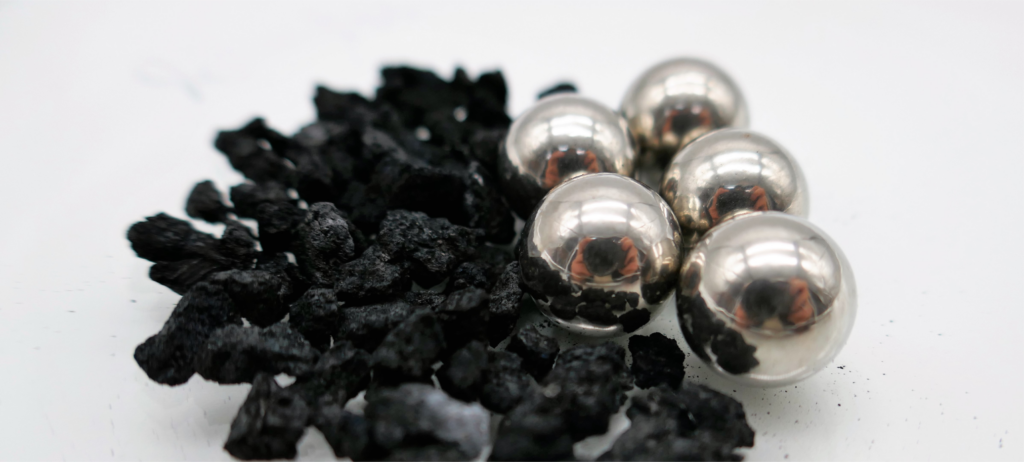
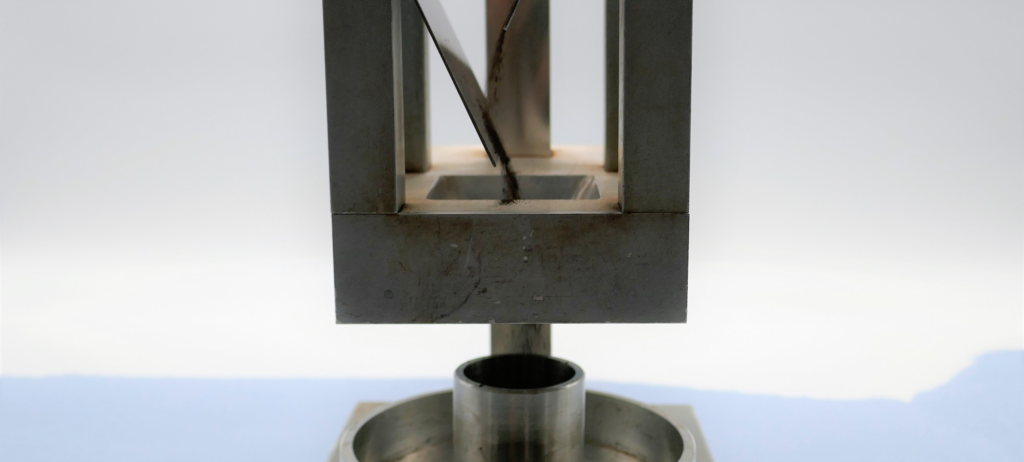
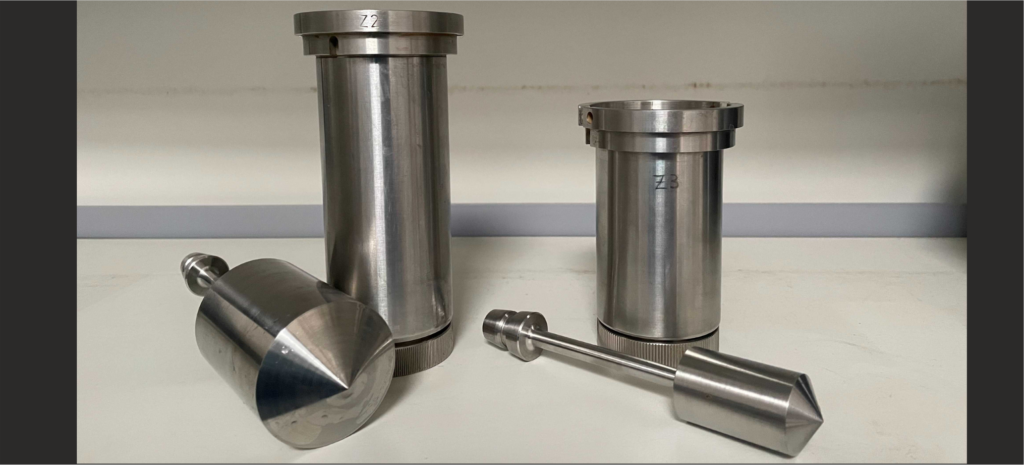
Ball-Pan Hardness

The Ball-Pan Hardness test, as specified in ASTM D3802-16, is used to evaluate the abrasion resistance of granular materials. Example: GAK, adsorber granules
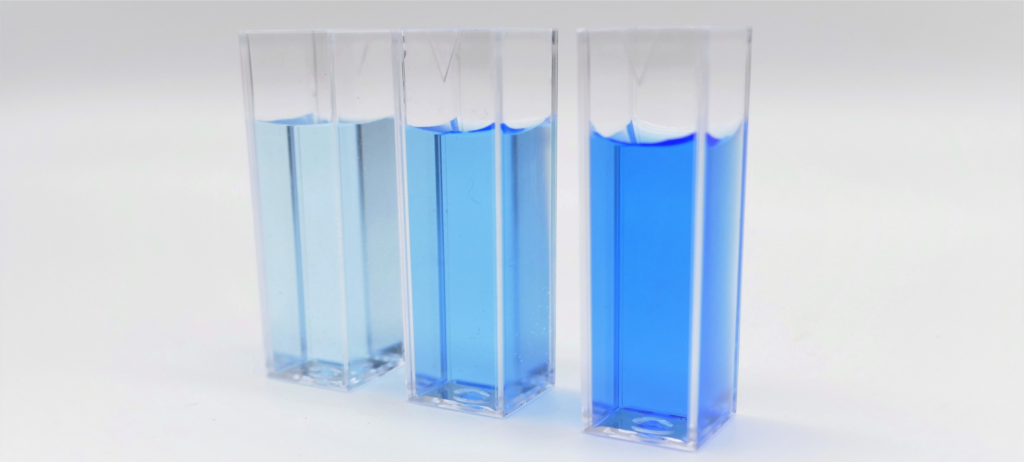
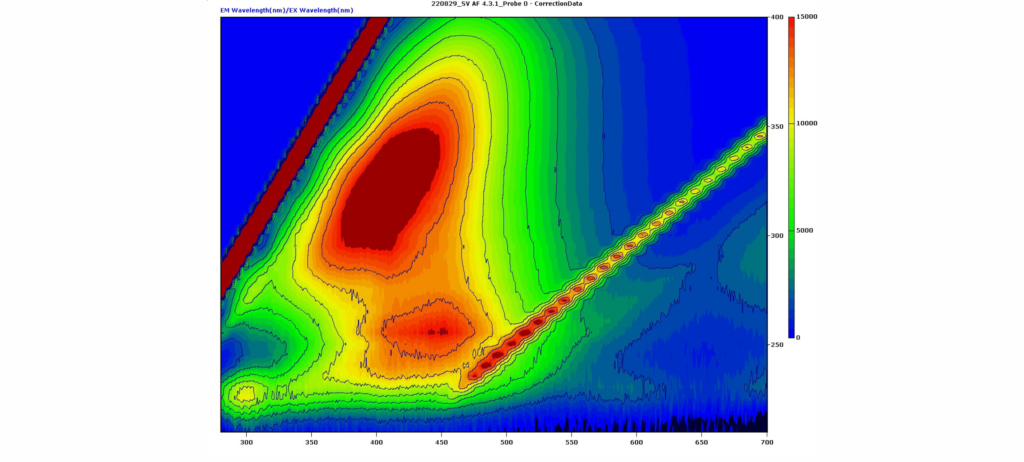
Spectroscopic methods

UV-Vis spectrometry

UV Fluorescence Spectrometry

Special investigations

Adsorption studies from aqueous media

Adsorption studies on gases

REM-EDX Analysis

Viscosity Measurement of Slurries

Share via
Copy link